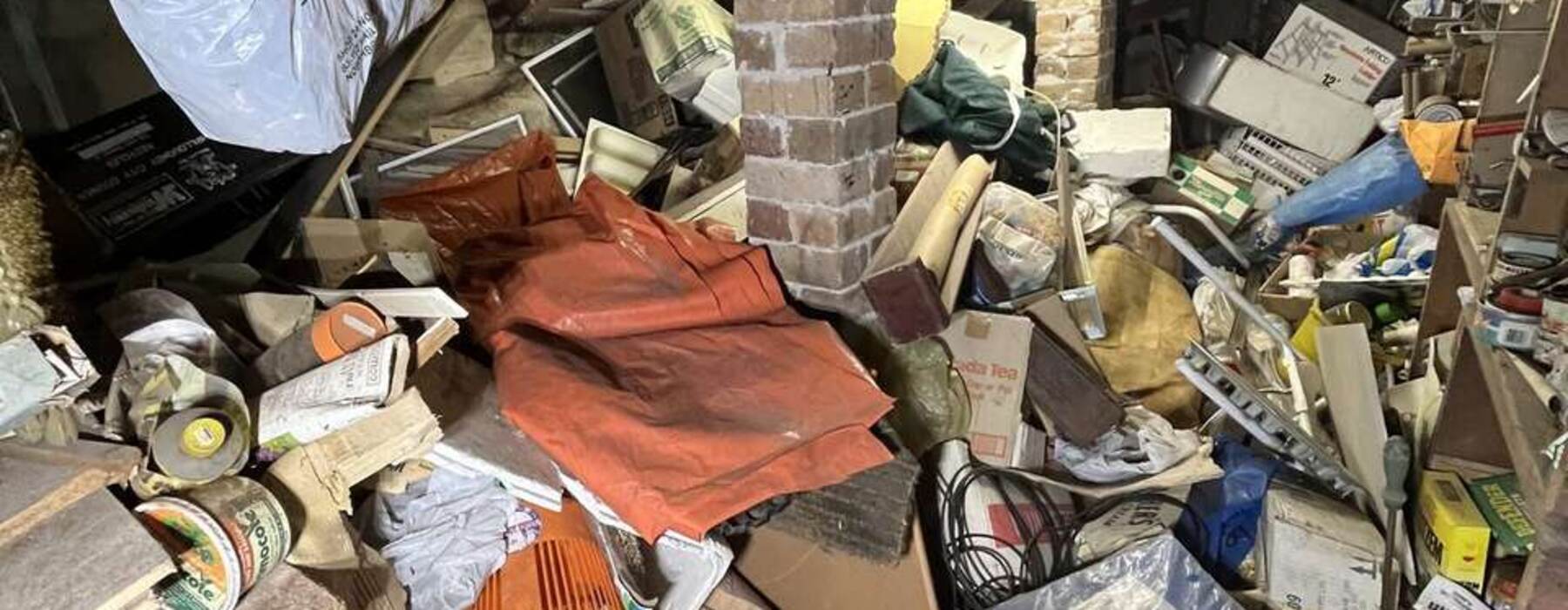
Every crew that has cleared family homes for long enough has a list of places things turn up. Ours started with Jack and has grown for thirty-seven years. Before any house we clear is emptied, the family or the executor should have been through it. This is the list we give them, from the deceased estate clearances we do across Sydney. Work through it slowly, with a box for documents and a box for valuables, and photograph anything you are unsure about.
The documents the estate will need
- The will, and any earlier versions. Check with the solicitor as well, because the latest copy is often held there.
- Title deeds and mortgage papers for the house and any other property.
- Bank statements, term deposit records and cheque books. Old accounts are easy to miss and may still hold money.
- Share certificates, dividend statements and managed fund letters. Older people often held paper certificates.
- Superannuation and life insurance statements, including policies that stopped being paid years ago.
- Insurance for the house, contents and car, so the executor can keep cover going.
- Tax returns, Medicare and Centrelink letters, passports, birth and marriage certificates.
- Funeral plans or prepaid funeral bonds, which pay for the service if someone knows they exist.
Where documents tend to be
The obvious places first: a desk, a filing cabinet, a bureau, the drawer under the phone. Then the less obvious. Shoeboxes on top of wardrobes. Between the pages of large books, especially bibles and atlases. In the lining of suitcases. Taped under drawers. In biscuit tins in the pantry. In the glovebox. Behind picture frames. Inside the piano stool. We have found a will in a chest freezer, wrapped in a plastic bag, more than once.
Where cash and jewellery hide
People who lived through hard times kept cash at home, and they hid it well. Look inside hollowed books, rolled in socks, in the toes of shoes, under mattresses and inside mattress seams, in the pockets of coats at the back of the wardrobe, in coffee tins, flour canisters and the freezer, behind the kickboards in the kitchen, in the bottom of the sewing box, and in envelopes taped inside cupboard doors. Jewellery turns up in handbags, in the pockets of dressing gowns, in pill boxes, in film canisters and in the small drawers of a dressing table that stick and have not been opened in years.
Things worth more than they look
Medals and their boxes. Coins and banknotes in old albums. Stamp collections. Watches, including ones that do not run. Fountain pens. Cameras and lenses. First edition books. Records. Hand tools with old brand names. Fishing reels. Sewing machines in timber cases. Silver cutlery in a canteen. We do not value or buy any of it, but we will say when something looks worth a second opinion, and an independent valuer or a contents auction house can tell you quickly.
Photos, letters and the things that cannot be replaced
Albums are easy. Loose photos are not. Check every drawer, the bottom of wardrobes, the boxes in the garage and under the house, and the envelopes inside other envelopes. Letters, diaries, children's drawings, recipe books in a parent's handwriting and address books all tend to live in the same few places and all tend to matter more later than they do on the day. Put them in one box and decide about them when you are not standing in a half-cleared room.
Phones, computers and keys
Phones, tablets, laptops and hard drives hold photos, contacts and often the only record of online accounts. Keep every device and every charger, even the old ones, until someone has been through them. Collect all keys as you go: house, car, garage, safe, PO box, shed, and the ones nobody can identify. If there is a safe, do not force it. A locksmith can open it with the executor's authority. Hand the keys to the executor in one labelled bag.
What we do when we find something
Even after a careful family search, things turn up during a clearance. That is normal. Our crew sorts as it loads, and anything that looks like a document, cash, jewellery, a medal, a photo or a key is set aside, photographed and handed to the person running the estate. Nothing of that kind leaves the property in a load, and the same small crew works every estate, so there is no mystery about who was in the house. If you are not in Sydney, we send photos of what we have set aside before anything goes anywhere. For the wider picture of where everything else goes, see what happens to the belongings when a deceased estate is cleared.
When the search is done and you are ready for the rest, our fixed-quote deceased estate clearances cover the whole house, garage, shed and garden with keepsakes set aside first and the tip fees included.
Common questions
What happens to a will if you find one?
It is set aside, photographed and handed to the executor or the solicitor on the same day. If the family did not know a will existed, that can change how the estate is handled, so the solicitor needs it before anything else happens.
Do you check inside furniture before it goes on the truck?
Yes. Drawers, cupboards, under cushions and inside anything with a lid are checked as the crew loads. It is slower than lifting and loading blind, and it is how most of the things on this list get found.
Can you open a safe or a locked filing cabinet?
No, and you should not force one either. A locksmith can open a safe or a cabinet with the executor's authority, usually the same day. Set it aside, and we work around it.