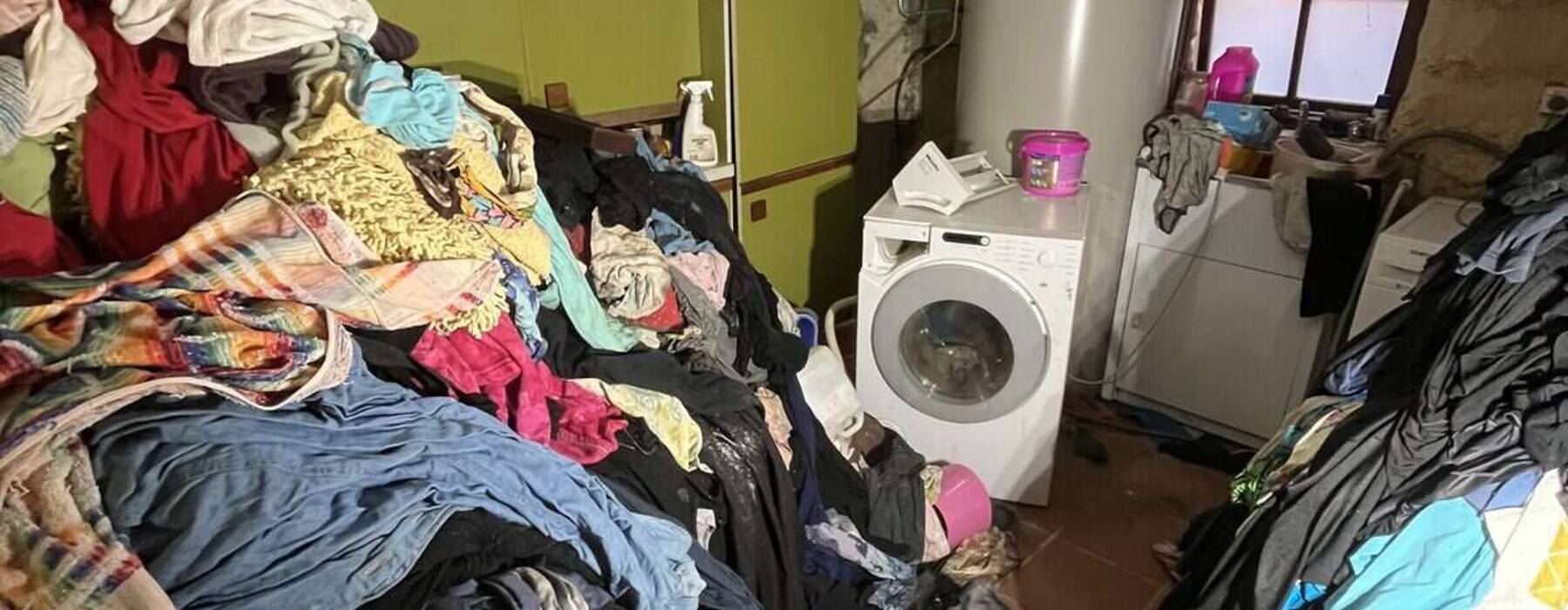
This is the question families ask most, and usually the one they feel worst about. Nobody wants a parent's things to go in a bin. The good news is that very little of a well run clearance ends up in landfill. Here is the order we work in on every deceased estate we clear across Sydney, and what each pile actually becomes.
First, what the family keeps
Before any clearing starts, the family walks through and takes what matters: bequests named in the will, photographs, letters, jewellery, medals, the things on the fridge door. If people cannot be there, they tell us what to look for and we set it aside and send photos. This step is the one that should never be rushed. The house can be cleared in a day or two once the time comes. Deciding what to keep is the slow part, and it is yours.
What can be sold
Solid timber furniture, antiques, mid-century pieces, tools, cameras, records, watches, coins, good china and jewellery all have a market. Sydney has contents auction houses that will collect, antique dealers who will visit, and online marketplaces for anything you have the patience to list. If the estate is large, an auction house can clear the saleable items in one go and the proceeds go to the estate.
We do not buy anything from an estate, and we do not value things. What we will do is say so when something looks worth a second opinion, so you can get an independent valuation before it goes anywhere. Most families are surprised by one or two items. It is rarely the ones they expected.
What gets donated
Usable furniture, kitchenware, books, clothing and linen go to charity wherever a charity will take them. In Sydney the regular homes for estate contents are Vinnies and the Salvos for furniture and clothing, Lifeline shops for books and household goods, The Bower in the Inner West for furniture and reusable building materials, and Reverse Garbage for craft and workshop odds and ends. Animal shelters take towels and blankets. Op shops are selective about soft furnishings and anything stained or torn, so not every lounge finds a home, but a great deal does.
Donation is also where the price comes down. Every piece that goes to a charity is weight that does not cross the weighbridge, and the tip fee saved comes off the job.
What gets recycled
A lot of what is left after keeping, selling and donating is still not rubbish. Scrap metal from bed frames, whitegoods and tools goes to a metal recycler. Televisions, computers and phones are e-waste and go through council or retailer collection points, never into a general load. Mattresses go to a mattress recycler. Paint, chemicals, gas bottles, batteries and old medications go to Community Recycling Centres or a chemist. Cardboard, paper and glass are separated at the transfer station. Green waste from the garden is mulched.
Doing this properly takes longer than tipping everything in one skip, which is why some operators do not bother. We sort as we load, so the loads leave the house already separated.
What goes to landfill
Last, and smallest: broken furniture, soiled soft furnishings, old carpet, perished foam, and the general contents of drawers and cupboards that nobody wants and nobody can use. This is the pile that pays tip fees, and the whole point of the order above is to keep it small.
Documents and valuables that turn up on the day
Even after the family has been through, things turn up. Cash in a biscuit tin, a will in a filing cabinet, share certificates in a shoebox, rings in a coat pocket, passports in the freezer. We have found all of these. Anything that looks important is set aside, photographed and handed to whoever is running the estate. Nothing of that kind is thrown out without your say, and the crew is the same small team on every job, led by Jack, who has done this for thirty-seven years. If you want a longer list of where to look, we put one together in where to look for documents and valuables in a family home.
When you are ready, our fixed-quote estate clearances cover the whole house in this order, with the keepsakes set aside first and the tip fees included. For a sense of price, see what it costs to clear a deceased estate in Sydney.
Common questions
Will you take everything to charity for us?
We drop usable items at charities that accept them as part of the job, and it comes off the volume we tip. Charities are selective, so we cannot promise a home for every piece, but we try before anything goes to the tip.
Can we sell things after you have quoted?
Yes. If an auction house or a buyer takes a load of furniture out before we arrive, tell us and we adjust the quote down. Less volume means less work and fewer tip fees.
What if we find something after the house is cleared?
Tell us straight away. If an item was set aside it will be with the keepsakes we handed back. If it went out with a load that day we will do everything we can, but loads are sorted and tipped the same day, so the earlier you call the better.